The first hearing aid fitting can feel both exciting and a little intimidating. It marks a step toward improved hearing and communication in everyday situations. Yet it also involves adapting to a new device, learning how to operate it, and understanding what to expect in different listening environments.
Preparing for this appointment helps ensure a smooth and productive experience. Knowing what to bring, what questions to ask, and how the process works can make the transition easier. Preparation helps the fitting appointment run more smoothly and supports better device adjustment.
Understanding the Fitting Process
A hearing aid fitting involves more than placing a device in the ear. It begins with reviewing hearing test results, discussing daily listening needs, and tailoring the device settings to personal preferences. Adjustments are made using prescriptive targets to match specific frequencies, volume levels, and listening environments. Verification methods, such as real-ear measurements, may be used to confirm that the hearing aid output meets recommended levels for speech clarity and comfort.
The first fitting is also an opportunity to begin learning about operation, care, and realistic expectations. The process often includes demonstrations of features, explanations of battery management or charging, and practice with different listening scenarios. Being informed allows for better engagement and confidence during the session.
Setting Realistic Expectations
Adapting to a hearing aid takes time. Sounds may appear louder or different at first, which does not necessarily indicate a problem with the fitting, and background noise may feel more noticeable. This adjustment period is normal and expected as the auditory system learns to process amplified sound.
Patience is key. Understanding that improvement happens gradually helps reduce frustration. Regular follow-up appointments allow fine-tuning of the device to increase comfort, clarity, and satisfaction in everyday situations. The brain needs time to adapt to amplified sounds, particularly for individuals who have experienced hearing loss for an extended period.
Personal Preferences and Lifestyle Considerations
The choice of hearing aid is influenced by lifestyle, daily activities, and personal priorities. Some individuals prefer discreet devices that fit completely in the ear, while others choose behind-the-ear models with extended battery life or advanced connectivity features. Factors such as manual dexterity, vision, and comfort with technology may also influence device selection.
Lifestyle factors such as attending meetings, enjoying music, or spending time in noisy environments play a role in determining the optimal device. Discussing these habits beforehand ensures the hearing aid matches both functional needs and personal comfort.
Learning Device Management
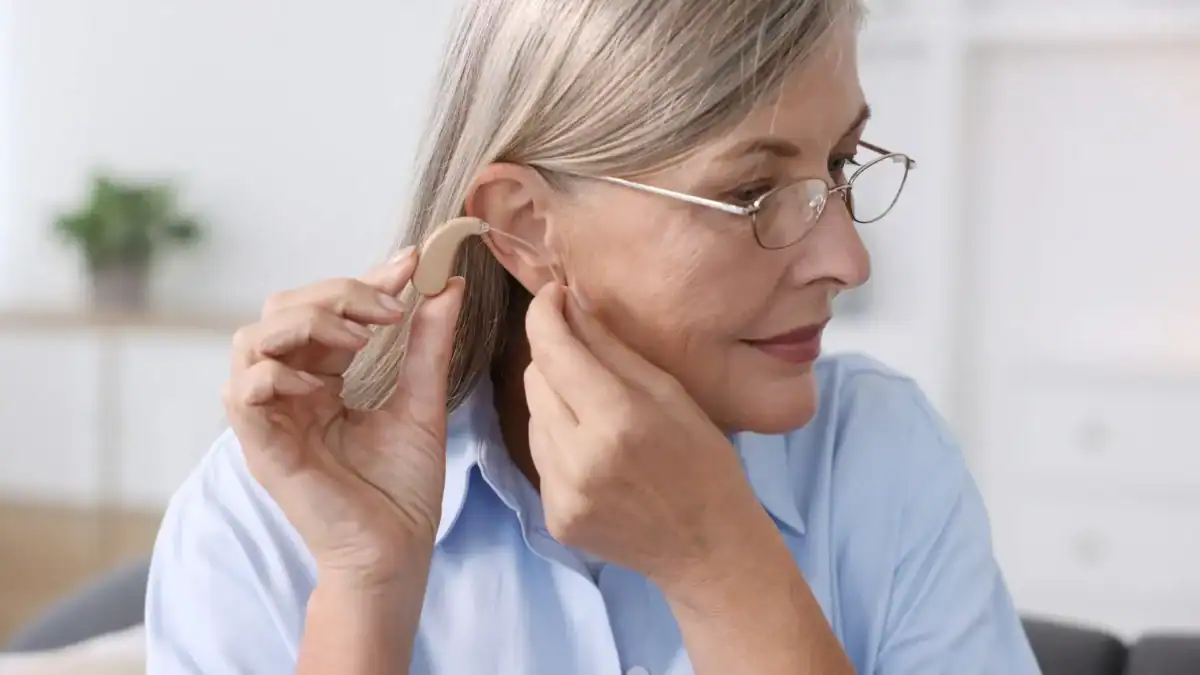
Understanding the practical aspects of hearing aid use is an important part of the first fitting. This includes inserting and removing the device, adjusting volume or program settings, cleaning, and maintaining batteries or charging stations. Written instructions or take-home guides may be provided to reinforce what is covered during the appointment.
Hands-on practice builds confidence. The more comfortable an individual becomes with daily management, the more likely they are to use the device consistently, resulting in better hearing outcomes and less frustration in daily life.
Ongoing Support and Follow-Up
A first hearing aid fitting marks the beginning of an ongoing partnership with hearing health professionals. Follow-up appointments allow for adjustments based on real-world experiences, including fine-tuning sound quality, addressing feedback or discomfort, and improving performance in specific environments.
Follow-up visits are especially important during the first few weeks, as real-world feedback guides further refinements. Engaging with support resources and professionals ensures that challenges are addressed promptly. Consistent use, monitoring of device performance, and open communication with hearing health professionals all boost chances for success and long-term satisfaction with hearing support.
Taking the Next Step
Preparing for a first hearing aid fitting involves more than scheduling an appointment. Understanding the process, setting realistic expectations, discussing lifestyle needs, and learning about device management all contribute to a positive experience. Being proactive helps ensure hearing improvements carry over into everyday listening situations.
Scheduling a first hearing aid fitting or follow-up appointment allows for professional guidance, tailored device programming, and hands-on support. Early preparation and ongoing engagement with a hearing health professional help ensure the transition is smooth, effective, and empowering.